

Finding the best time to visit Greek islands can make or break your Mediterranean dream vacation. After countless trips from our base here in Pelion to islands across the Aegean and Ionian seas, we’ve learned that timing is everything when it comes to weather, crowds, and your budget.
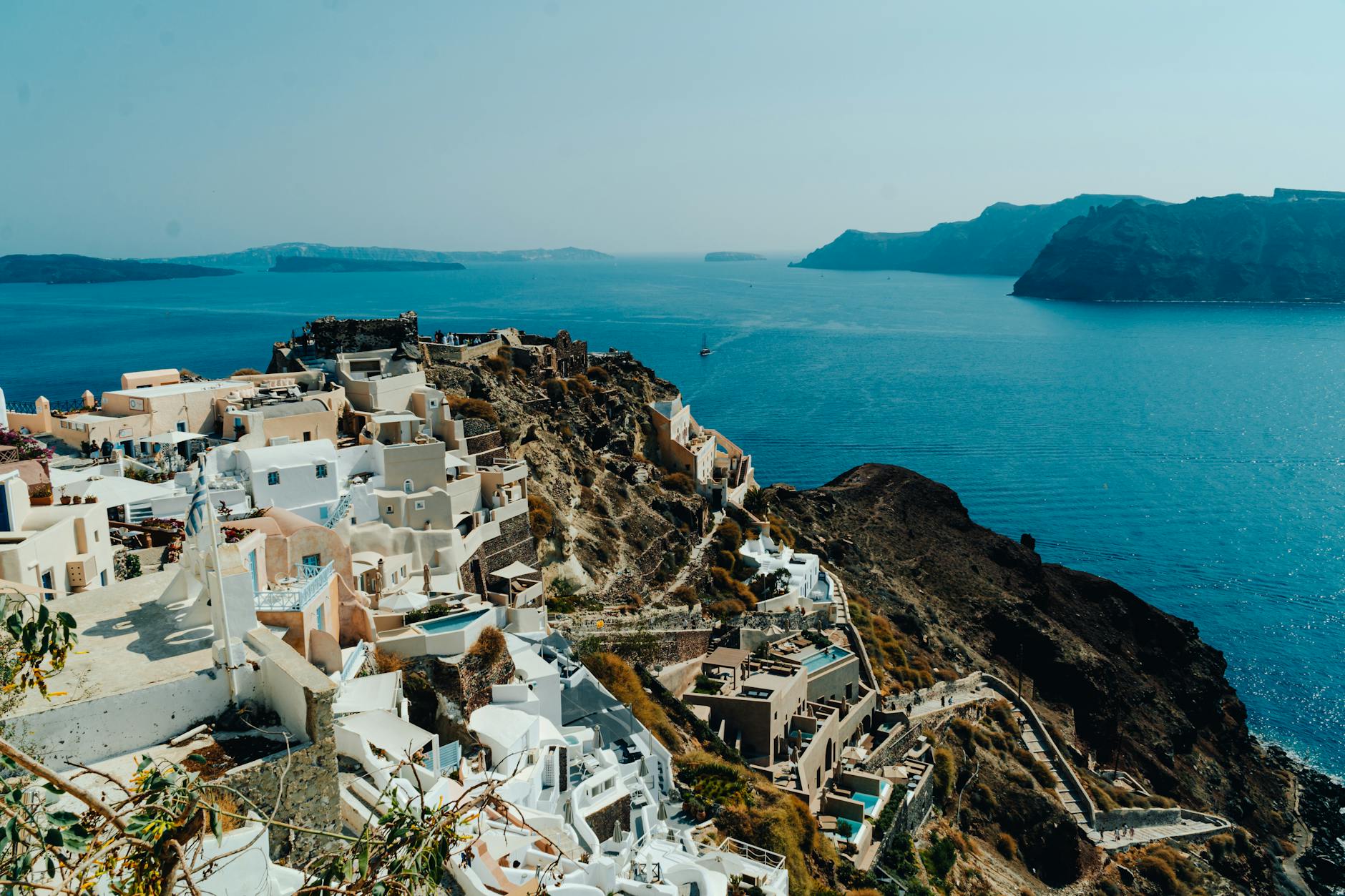
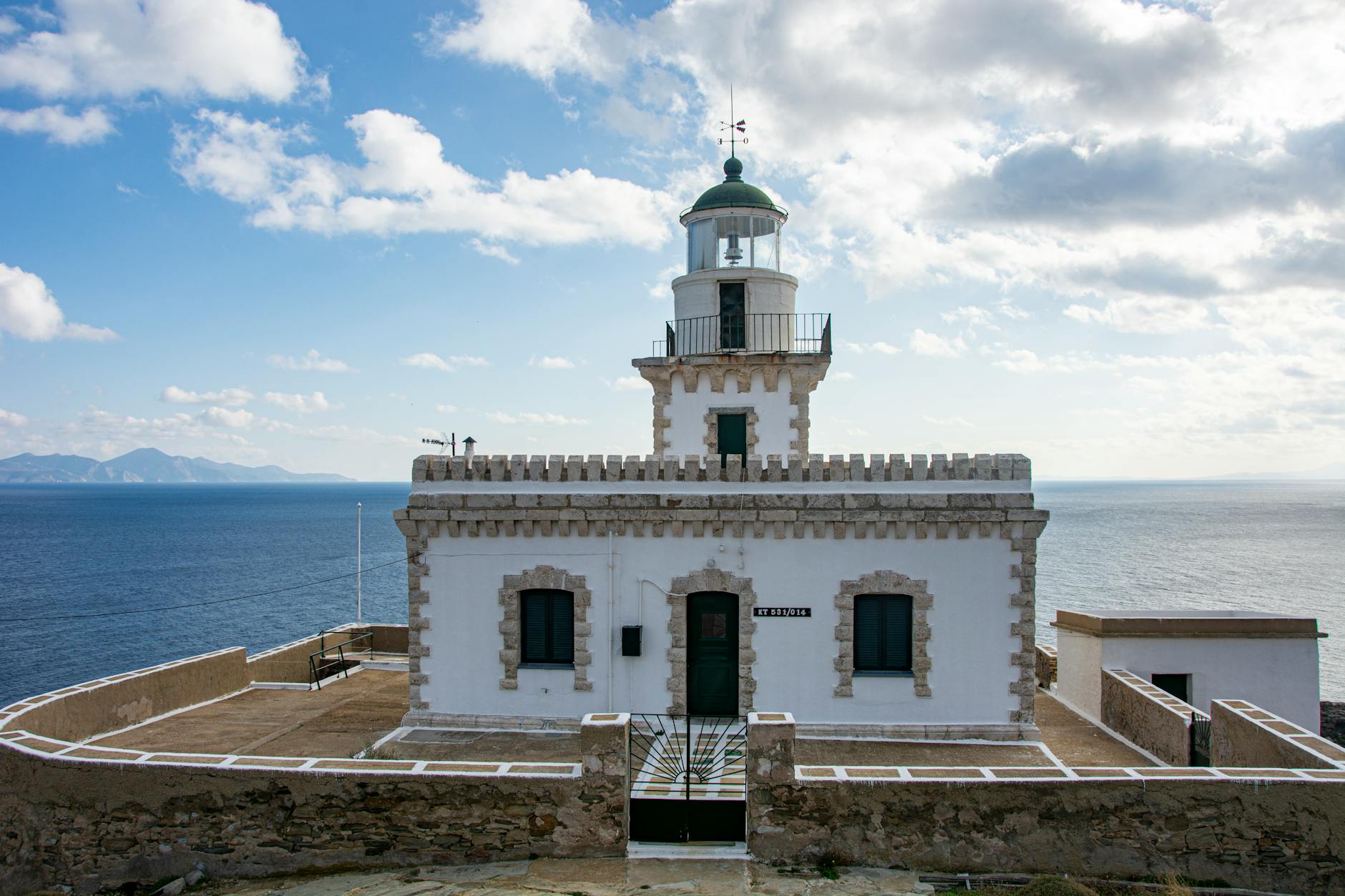
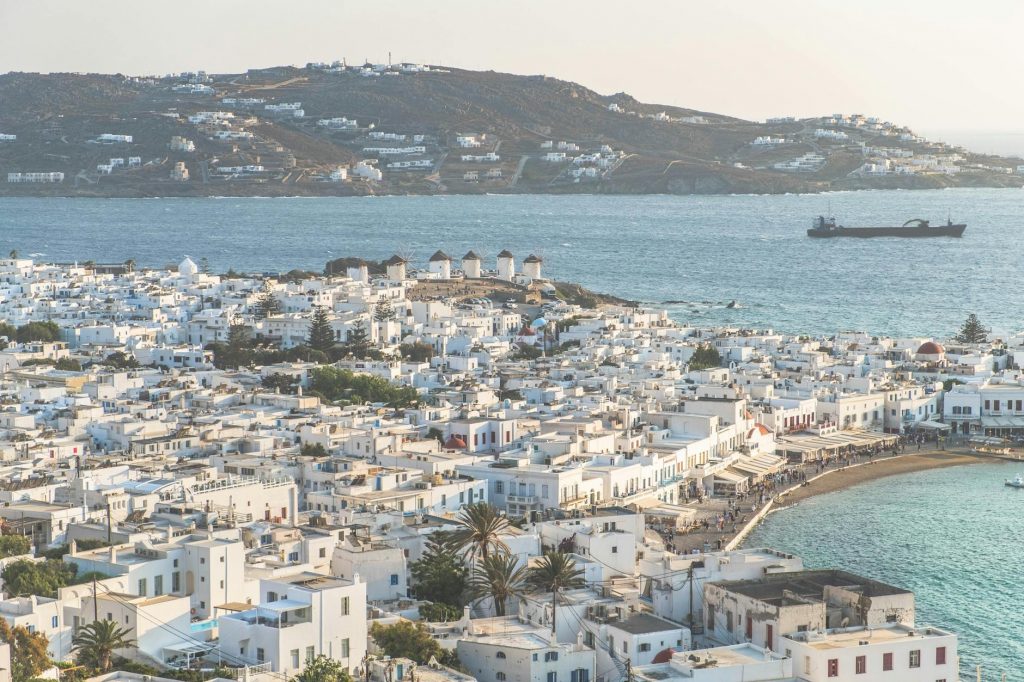
Each season brings its own magic to Greece’s 6,000 islands and islets. Whether you’re dreaming of sun-soaked beaches in Mykonos, exploring ancient ruins in Crete, or seeking tranquil moments in lesser-known gems like Folegandros, understanding the seasonal rhythms will help you plan the perfect escape.
Quick Planning Facts
- Best Overall: May & September
- Budget Season: November-March (many closures)
- Peak Season: July-August (highest prices, crowds)
- Shoulder Seasons: April-June & September-October
Understanding Greek Island Seasons
The Greek islands experience a Mediterranean climate with distinct seasons that dramatically affect your experience. Unlike mainland Greece, the islands benefit from sea breezes that moderate temperatures, but they’re also more exposed to winds, particularly the famous Meltemi winds of summer.
Weather Patterns Across the Islands
The Greek islands stretch across different climate zones. The Ionian islands (Corfu, Zakynthos, Kefalonia) receive more rainfall and stay greener longer, while the Cyclades (Santorini, Mykonos, Paros) are drier with stronger winds. The Dodecanese (Rhodes, Kos) enjoy the longest swimming season, often extending into November.
Tourist Seasons Explained
Greek tourism operates on a clear seasonal pattern:
- Low Season: November-March (many hotels and restaurants closed)
- Shoulder Season: April-May and September-October
- High Season: June-August
- Peak Season: Mid-July to late August
When Is the Best Time to Visit Greek Islands: Spring (March-May)
March: The Awakening
March marks the beginning of the tourist season, though it’s still quite cool with average temperatures around 15-18°C (59-64°F). Many hotels and restaurants remain closed, particularly on smaller islands. However, this is perfect for budget travelers and those seeking authentic local experiences.
Pros: Lowest prices, no crowds, wildflowers blooming, authentic atmosphere
Cons: Limited services, cool weather, short days
Best Islands: Crete, Rhodes, larger Ionian islands
April: Spring Awakening
April is magical in the Greek islands. Temperatures rise to 18-22°C (64-72°F), wildflowers carpet the hillsides, and more businesses open for the season. The sea is still too cold for most people (16-17°C), but hiking and sightseeing conditions are ideal.
Pros: Perfect hiking weather, Easter celebrations, reasonable prices
Cons: Sea still cold, variable weather
Best Islands: All major islands, particularly Crete and Naxos
May: Near Perfect
May is arguably one of the best months to visit. Temperatures reach 22-26°C (72-79°F), the sea warms to 18-20°C, and almost everything is open. Days are long, crowds are manageable, and prices remain reasonable.
Pros: Excellent weather, warm sea, longer days, moderate prices
Cons: Popular destinations getting busier
Best Islands: Santorini, Mykonos, Paros, all Ionian islands
🇬🇷 Local Insider Tip
May is when we locals start our swimming season! The water might feel cool initially, but it’s perfectly refreshing. Plus, you’ll have the beaches mostly to yourselves, and restaurant owners are still excited to see tourists after the quiet winter months.
Summer Paradise: June to August
June: Sweet Spot
June offers the best balance of great weather and manageable crowds. Temperatures range from 24-28°C (75-82°F), the sea is wonderfully warm at 21-23°C, and the famous Meltemi winds haven’t reached their peak intensity yet.
Pros: Perfect beach weather, warm sea, long days (15+ hours daylight)
Cons: Prices starting to rise, crowds increasing
Best Islands: All islands, particularly great for first-time visitors
July: Peak Summer
July brings true Greek summer with temperatures of 26-30°C (79-86°F) and sea temperatures around 24-25°C. This is peak season with maximum crowds and prices, but also the most reliable weather and fullest range of activities.
Pros: Guaranteed sunshine, warmest sea, everything open, vibrant nightlife
Cons: Highest prices, biggest crowds, strong Meltemi winds
Best Islands: Party islands like Mykonos and Ios, large islands with good infrastructure
August: Hottest and Busiest
August is the hottest month with temperatures often exceeding 30°C (86°F), especially in the Cyclades and Dodecanese. The Meltemi winds are at their strongest, which can disrupt ferry schedules but provide relief from the heat.
Pros: Hottest weather, warmest sea (25-26°C), peak party atmosphere
Cons: Most expensive, extremely crowded, very hot, strong winds
Best Islands: Large islands with good facilities, avoid small islands
Golden Autumn: September to November
September: The Golden Month
September is many Greeks’ favorite month for island hopping. Temperatures drop to a comfortable 24-28°C (75-82°F), the sea remains beautifully warm at 23-24°C, crowds thin out, and the harsh Meltemi winds subside.
Pros: Perfect weather, warm sea, fewer crowds, reasonable prices, calm seas
Cons: Some seasonal businesses start closing
Best Islands: Absolutely all islands shine in September
October: Extended Summer
October extends the swimming season with temperatures around 20-24°C (68-75°F) and sea temperatures still reaching 20-22°C. Many tourists have left, creating a peaceful atmosphere perfect for couples and culture seekers.
Pros: Still swimmable, uncrowded, good weather for sightseeing
Cons: Shorter days, some closures beginning
Best Islands: Rhodes, Crete, Santorini, larger Ionian islands
November: Quiet Beauty
November marks the end of the main season. While temperatures drop to 16-20°C (61-68°F), you can still enjoy beautiful weather for walking and sightseeing. Many seasonal businesses close, but permanent residents create an authentic atmosphere.
Pros: Very peaceful, lowest prices, authentic local life
Cons: Limited services, cooler weather, shorter days
Best Islands: Crete, Rhodes, major towns on large islands
Winter Tranquility: December to February
Winter on the Greek Islands
Winter in the Greek islands is mild compared to northern Europe, with temperatures rarely dropping below 10°C (50°F). While most tourist infrastructure closes, winter offers a unique perspective on Greek island life and culture.
The larger islands like Crete and Rhodes maintain some tourist services year-round. This is the perfect time for cultural exploration, hiking, and experiencing authentic Greek hospitality without the tourist overlay.
Best Winter Islands:
- Crete: Museums, archaeological sites, mild weather
- Rhodes: Medieval Old Town, winter sunshine
- Corfu: Venetian architecture, green landscapes
Choosing Islands by Month
Best Islands for Each Season
| Season | Best Islands | Why |
|---|---|---|
| Spring | Crete, Naxos, Paros | Good infrastructure, early season openings |
| Summer | Santorini, Mykonos, Rhodes | Full services, best weather guarantees |
| Autumn | All islands | Perfect weather, fewer crowds |
| Winter | Crete, Rhodes, Corfu | Year-round services, cultural attractions |
Special Considerations
Ferry schedules vary dramatically by season. Summer brings frequent connections even to remote islands, while winter services may run only 2-3 times per week. Always check current ferry schedules before planning winter trips.
Budget Considerations Throughout the Year
Accommodation Prices by Season
- Winter (Nov-Mar): €30-€80/night (limited options)
- Spring (Apr-May): €50-€120/night
- Early Summer (Jun): €70-€150/night
- Peak Summer (Jul-Aug): €100-€300+/night
- Autumn (Sep-Oct): €60-€140/night
Prices can vary dramatically between islands and even different areas of the same island. Santorini and Mykonos command premium prices, while islands like Naxos or Crete offer better value.
Money-Saving Tips by Season
Spring & Autumn: Book directly with hotels for best rates, take advantage of shoulder season packages
Summer: Book early (January-March) for summer stays, consider less famous islands
Winter: Negotiate rates for longer stays, many accommodations offer significant discounts
🇬🇷 Local Money-Saving Secret
Book your August accommodation in February when hotels release their summer rates. We’ve seen savings of 30-50% compared to last-minute bookings. Also, consider staying in traditional guesthouses run by local families – they often provide better value and authentic experiences than international hotel chains.
Frequently Asked Questions
What is the best month to visit Greek islands for good weather and fewer crowds?
May and September are ideal, offering excellent weather with temperatures around 24-26°C, warm seas, and manageable crowds. September is particularly special as the sea is at its warmest while the intense summer heat and winds have subsided.
Can you visit Greek islands in winter?
Yes, larger islands like Crete, Rhodes, and Corfu maintain services year-round. Winter temperatures rarely drop below 10°C, making it perfect for cultural exploration and hiking. However, many seasonal businesses close, and ferry schedules are reduced.
When is the cheapest time to visit Greek islands?
November through March offers the lowest prices, with accommodation costs 50-70% less than summer rates. However, many hotels and restaurants close during this period, and weather can be unpredictable.
What months should you avoid the Greek islands?
Avoid July and August if you dislike crowds, high prices, and intense heat. December through February can be challenging due to limited services and unpredictable weather, though this varies by island.
How long is the swimming season in Greek islands?
The swimming season typically runs from May through October, with peak conditions from June to September. Hardy swimmers can enjoy the sea from April to November, as temperatures remain above 18°C for most of this period.
Photo credits: Dawid Tkocz, ΧΡΗΣΤΟΣ ΜΙΧΑΛΑΙΝΑΣ, Efrem Efre via Pexels. All images used under the Pexels license.