

Having grown up in the shadow of Mount Pelion, we can confidently say that the pelion villages offer some of Greece’s most authentic mountain experiences. These stone-built settlements, perched between emerald forests and azure seas, preserve centuries-old traditions while offering modern comforts to discerning travelers.
From the cobblestone streets of Makrinitsa to the plane tree squares of Tsagarada, each village tells its own story of Pelion’s rich cultural heritage. As locals who’ve explored every hidden path and taverna, we’ll guide you through the must-visit settlements that capture the essence of this magical peninsula.
🏔️ Quick Village Overview
- Makrinitsa: “Balcony of Pelion” with stunning views
- Tsagarada: Plane tree paradise and hiking hub
- Vizitsa: Perfectly preserved traditional settlement
- Milies: Railway village with mountain charm
- Portaria: Gateway village with luxury options
Makrinitsa: The Balcony of Pelion
Makrinitsa crowns our list as the most photographed village in Pelion, and for good reason. This UNESCO-protected settlement clings to the mountainside at 600 meters altitude, offering breathtaking panoramic views across the Pagasetic Gulf to Volos below.
What Makes Makrinitsa Special
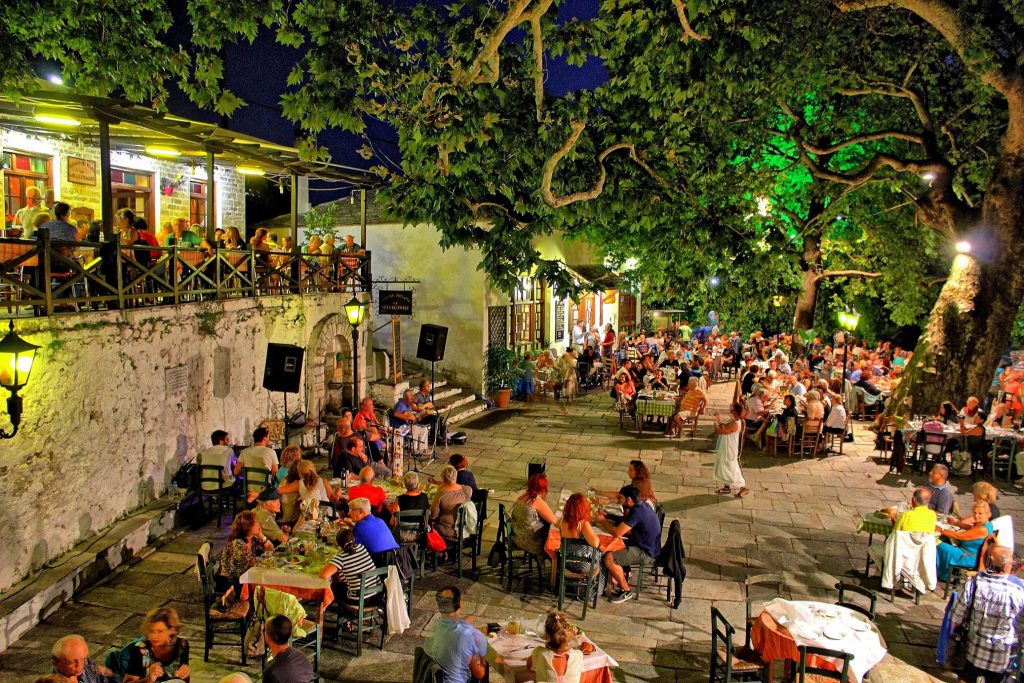
The village’s main square, dominated by a centuries-old plane tree and surrounded by traditional mansions, serves as the perfect introduction to Pelion architecture. The Church of Agia Paraskevi, with its intricate frescoes, showcases the religious artistry that flourished here during Ottoman times.
We recommend staying at Archontiko Repana (€80-€120/night), a beautifully restored mansion offering authentic accommodations. For dining, To Patriko Mas serves exceptional local dishes with that million-dollar view – try their wild boar with quince, a specialty you won’t find elsewhere.
Best Time to Visit
Visit Makrinitsa in late afternoon when the golden light illuminates the traditional architecture and the views become truly magical. Winter brings a mystical quality with low-hanging clouds, while summer offers clear vistas extending to Skiathos island.
Tsagarada: Where Ancient Plane Trees Meet the Sea
Tsagarada sprawls across four distinct neighborhoods connected by forest paths, each centered around massive plane trees that have witnessed over 1,000 years of history. This village perfectly balances mountain serenity with easy beach access.
The Four Neighborhoods
Each of Tsagarada’s quarters – Agia Paraskevi, Agia Kyriaki, Taxiarchis, and Agios Stefanos – maintains its unique character. The most famous is Agia Paraskevi, home to Europe’s largest plane tree with a trunk circumference of 24 meters. Local legend claims it’s over 1,200 years old.
Mouzaliko Guesthouse (€60-€90/night) offers traditional stone accommodations in the heart of the village. For an unforgettable meal, Platanos Taverna serves fresh seafood under the ancient plane tree – their grilled octopus with Pelion herbs is extraordinary.
Hiking and Beach Access
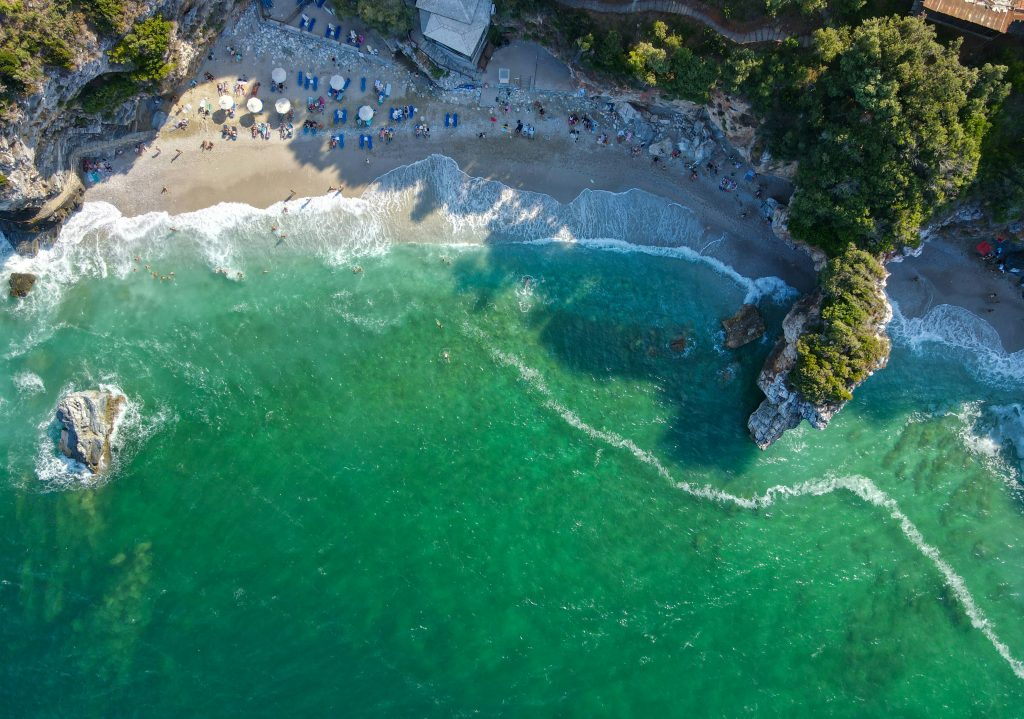
Tsagarada serves as the starting point for several hiking trails, including the famous path to Mylopotamos Beach. This hidden gem features unique rock formations and crystal-clear waters, accessible via a 20-minute descent through dense forest. Learn more about hiking opportunities on Visit Greece’s official website.
Discovering Traditional Pelion Villages Architecture
The architectural heritage of these mountain settlements reflects centuries of prosperity from trade and craftsmanship. Pelion’s master builders, known as “Pelioreites,” developed a distinctive style that harmoniously blends with the natural landscape.
Vizitsa: A Living Museum
Vizitsa represents the pinnacle of preserved Pelion architecture. This car-free village maintains its original character so perfectly that it feels like stepping into the 18th century. Cobblestone paths wind between stone mansions adorned with slate roofs and wooden balconies.
The village operates as a traditional settlement, meaning strict building codes preserve its authentic appearance. Karamanlidis Guesthouse (€50-€80/night) offers stays in restored traditional homes. The village taverna, Symposio, specializes in forgotten recipes passed down through generations.
Architectural Elements to Notice
Look for the distinctive features: slate roofs that handle heavy snowfall, stone walls built without mortar using local materials, and wooden “sachnisia” (enclosed balconies) that provided winter protection. The orientation of buildings maximizes winter sun while providing summer shade.
🏠 Local Insider Tip
Many villages offer “kalderimi” walking tours – these are the original cobblestone paths connecting settlements. The Vizitsa to Milies route is particularly stunning, following a 19th-century merchant trail through chestnut forests. Start early morning for the best light and fewer crowds.
Milies: The Railway Village
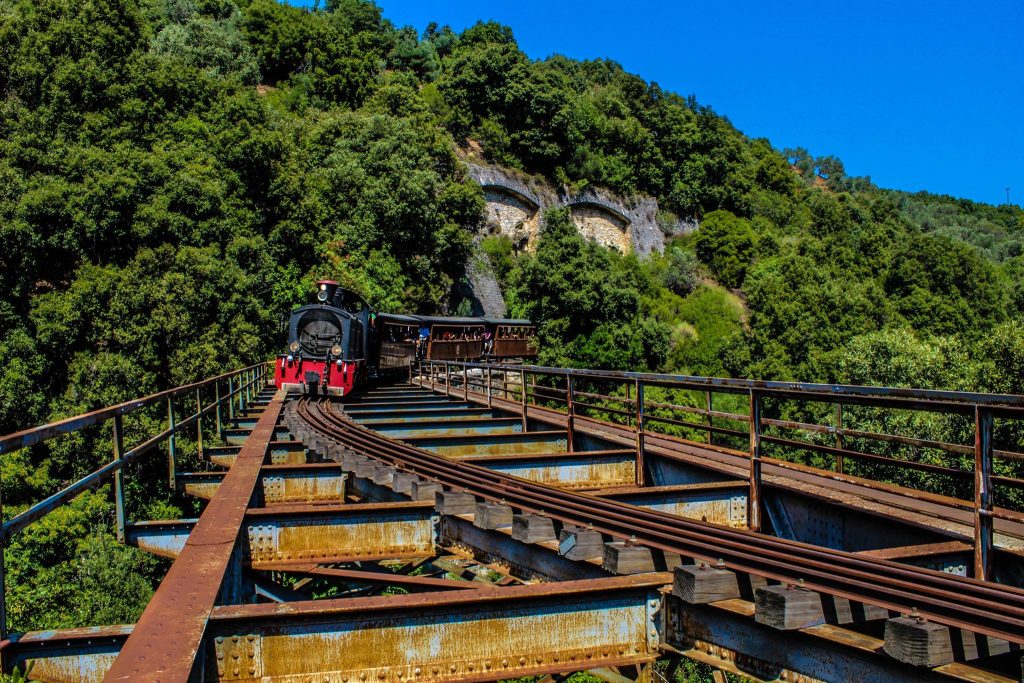
Milies holds special significance as the terminus of the historic Pelion railway, built in 1903 to transport goods from mountain villages to Volos port. Today, this charming settlement combines railway heritage with traditional mountain life.
The Narrow-Gauge Railway Experience
The restored steam train “Moutzouris” operates weekend services from Milies to Ano Lechonia, offering spectacular views of the Pagasetic Gulf. The journey takes 90 minutes each way, winding through bridges and tunnels carved into the mountainside.
Pantazio (€45-€75/night) provides comfortable accommodations near the railway station. To Trenaki taverna celebrates the railway theme while serving excellent traditional cuisine – their lamb kleftiko is cooked in wood-fired ovens using ancient techniques.
Village Highlights
The Library of Milies, established in 1876, houses rare manuscripts and documents related to Pelion’s history. The central square, shaded by enormous plane trees, hosts summer festivals featuring traditional music and dancing that locals have practiced for generations.
Portaria: Gateway to Pelion’s Heart
As the first major village encountered when ascending from Volos, Portaria serves as many visitors’ introduction to Pelion’s mountain culture. Its strategic location and developed infrastructure make it an excellent base for exploring the peninsula.
Luxury Meets Tradition
Portaria offers the highest concentration of luxury accommodations in Pelion. Kentavros Hotel (€100-€180/night) combines traditional architecture with modern amenities, while Archontiko Dimitriou provides authentic mansion experiences.
The village excels in dining options, from traditional tavernas to contemporary cuisine. Kritsa Restaurant elevates local ingredients into sophisticated dishes, while Sakis maintains authentic flavors that have satisfied locals for decades.
Activities and Accessibility
Portaria’s central location provides easy access to both beach and mountain activities. The village connects to numerous hiking trails, including routes to the Pelion ski center and paths leading to secluded beaches on the eastern coast.
Hidden Gems and Lesser-Known Villages
Beyond the famous quartet, several smaller settlements offer equally authentic experiences without the crowds. These hidden gems provide intimate glimpses into traditional Pelion life.
Zagora: The Apple Village
Zagora, built amphitheatrically on the eastern slopes, produces some of Greece’s finest apples. The village maintains strong maritime traditions, evident in its impressive church and traditional mansions built by sea captains who traded across the Mediterranean.
You can explore Zagora’s location and surroundings on Google Maps to plan your visit effectively.
Mouresi: Mountain Serenity
Mouresi offers pure mountain tranquility with traditional stone houses scattered among apple and chestnut orchards. The village provides access to some of Pelion’s most pristine hiking trails, leading to secluded beaches and ancient monasteries.
Agios Lavrentios: Artisan Village
This small settlement has become a haven for artists and craftspeople who maintain traditional techniques. Visit workshops producing handmade textiles, pottery, and woodcarvings using methods passed down through generations.
Planning Your Village-Hopping Adventure
Exploring multiple villages requires strategic planning to maximize your experience while respecting the mountain environment and local communities.
Transportation Between Villages
Renting a car provides maximum flexibility for village hopping, though narrow mountain roads require careful driving. Local buses connect major villages, but services are limited, especially in winter months. Many villages offer guided walking tours that reveal hidden paths and local stories.
Accommodation Strategies
Choose a central base like Portaria or Makrinitsa for easy access to multiple villages, or embrace the slow travel philosophy by spending several nights in each settlement. Book accommodations well in advance, especially for weekend stays and summer visits. For booking options, check Booking.com’s Portaria listings.
Seasonal Considerations
Spring (April-June) offers mild weather, blooming wildflowers, and comfortable hiking conditions. Summer brings warmth and access to nearby beaches, though villages can be crowded. Autumn provides spectacular foliage and perfect weather for exploration. Winter adds mystical beauty but requires preparation for cold and potential snow.
🌟 Local Insider Tip
Visit villages on weekday mornings to experience them as locals do. Many residents gather in central squares for morning coffee, creating opportunities for authentic cultural exchanges. Bringing a basic Greek phrasebook or translation app helps bridge language gaps and shows respect for local culture.
FAQ About Pelion Villages
What’s the best way to travel between villages?
A rental car offers maximum flexibility for exploring multiple villages at your own pace. The mountain roads are scenic but narrow, so drive carefully. Local buses connect major villages but run infrequently. Many visitors enjoy guided walking tours that reveal hidden paths between settlements.
Which village offers the best dining experiences?
Each village has its specialties: Makrinitsa for views with your meal, Tsagarada for seafood under ancient plane trees, Milies for traditional recipes, and Portaria for variety from rustic to refined. We recommend trying different villages to experience the full range of Pelion cuisine.
Are the villages suitable for families with children?
Most villages welcome families, though cobblestone streets and mountainous terrain require supervision of small children. Tsagarada offers easy beach access, while Milies provides the exciting train ride. Many guesthouses can accommodate families with connecting rooms or apartments.
What should I pack for a village-hopping trip?
Comfortable walking shoes are essential for cobblestone streets and hiking paths. Layer clothing for temperature changes between villages and elevations. Bring a camera for stunning architecture and views, and consider a daypack for hiking excursions to beaches or monasteries.
How many days do I need to properly explore the main villages?
Allow at least 4-5 days to visit the main villages without rushing. This gives you time to experience each settlement’s unique character, enjoy local dining, and perhaps take a hiking excursion or beach trip. Slow travel enthusiasts often spend a week or more to fully immerse in mountain life.
Photo credits: Benjamin Olivier Schaeuffele, Regulus Photography, Santiago Boada via Pexels. All images used under the Pexels license.